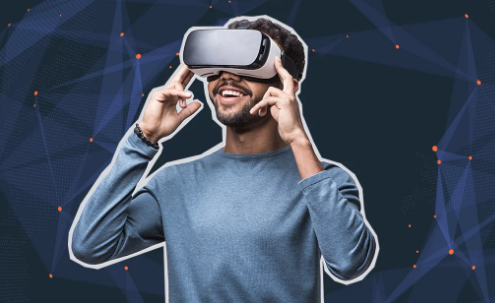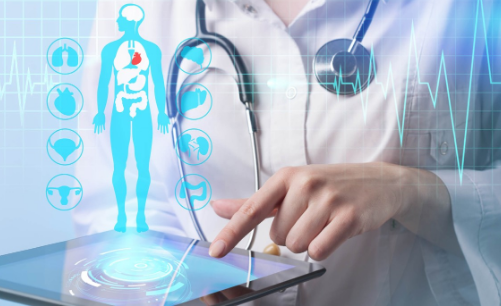
The future of healthcare technology is poised for significant transformation. Advancements in artificial intelligence promise enhanced diagnostic accuracy and treatment personalization. Telemedicine is reshaping patient access, while wearable devices provide continuous health monitoring. This convergence of technology and patient care raises important questions about data privacy and the implications of machine-driven decisions. As these innovations unfold, the landscape of healthcare will inevitably shift, demanding careful consideration of their broader impacts.
The Rise of Artificial Intelligence in Healthcare
As healthcare systems worldwide grapple with increasing demands and complexities, the integration of artificial intelligence (AI) emerges as a pivotal solution.
Machine learning algorithms enhance diagnostic accuracy, while predictive analytics empower proactive patient management.
These advancements not only streamline operations but also facilitate personalized care, ultimately fostering a healthcare environment that prioritizes individual freedom and choice, reshaping the future of patient interactions and outcomes.
Telemedicine: Bridging the Gap in Patient Access
The integration of technology in healthcare continues to evolve, with telemedicine emerging as a transformative force in enhancing patient access to medical services.
Virtual consultations and remote monitoring foster greater healthcare accessibility, improving patient engagement.
However, technology adoption faces hurdles, including insurance coverage, regulatory challenges, and privacy concerns.
Addressing these issues is crucial for telemedicine to fulfill its potential in bridging access gaps.
Wearable Health Technology: Monitoring Health in Real-Time
Wearable health technology represents a significant advancement in real-time health monitoring, allowing individuals to track vital signs and health metrics with unprecedented ease and accuracy.
Fitness trackers and biometric sensors, integrated with health apps, enhance patient engagement in chronic disease management. These devices facilitate remote monitoring, enabling effective sleep tracking and stress management, thus empowering individuals to take control of their health with newfound freedom.
The Role of Data Analytics in Personalized Medicine
How can data analytics transform the landscape of personalized medicine?
By leveraging predictive modeling, healthcare providers can enhance patient stratification, tailoring treatments to individual genetic profiles and lifestyle factors.
This data-driven approach not only optimizes therapeutic outcomes but also empowers patients with greater autonomy over their health decisions.
Ultimately, data analytics paves the way for a more precise, effective, and liberated healthcare paradigm.
Conclusion
In an era where technology promises to revolutionize healthcare, one might ironically ponder whether the more we automate care, the less human it becomes. While artificial intelligence, telemedicine, and wearables herald a future of personalized treatment and improved access, they also risk distancing the patient from the caregiver. Ultimately, as patients gain unprecedented autonomy, the challenge will be to ensure that technology enhances, rather than replaces, the essential human touch in healing—a paradox of progress.