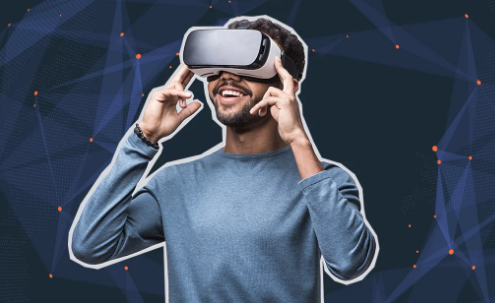
The future of immersive technology stands at the intersection of innovation and application. Advancements in spatial computing and haptic feedback are reshaping user experiences across various sectors. As these technologies develop, they promise to create more engaging environments, allowing deeper connections with digital realms. This evolution raises questions about its impact on traditional practices and user interactions. What transformative changes lie ahead for industries like education, healthcare, and retail?
The Evolution of Immersive Technology
As immersive technology continues to transform various sectors, its evolution reflects a dynamic interplay between innovation and user experience.
Virtual reality has paved the way for augmented reality and mixed experiences, enhancing sensory engagement. This progression not only enriches user interaction but also empowers individuals to explore new realms, merging the digital and physical worlds in unprecedented ways, fostering freedom of exploration and creativity.
Current Trends Shaping the Industry
The immersive technology landscape is currently being shaped by several key trends that reflect advancements in hardware capabilities and evolving user expectations.
Virtual reality and augmented reality are leading the charge, delivering increasingly rich immersive experiences.
Enhanced sensory engagement, including haptic feedback and spatial audio, is fostering deeper connections, allowing users to explore environments that blur the lines between the digital and physical worlds.
Read Also: Future of Healthcare Technology
Applications Across Different Sectors
While industries continue to evolve, immersive technology is proving to be a transformative force across various sectors, including education, healthcare, entertainment, and real estate.
Healthcare advancements leverage virtual simulations for training, while education tools enhance learning experiences.
Retail innovations and tourism enhancement create engaging environments.
Additionally, military training and sports engagement benefit from immersive simulations, alongside real estate visualization, revolutionizing client interactions.
The Future Landscape of User Interaction
Although emerging technologies continually reshape user experiences, the future landscape of user interaction promises to redefine how individuals engage with digital environments.
Innovations in spatial computing will enable seamless navigation and interaction, enhancing user agency. Coupled with advanced haptic feedback, these technologies will create immersive, tactile experiences, fostering a sense of presence that empowers users to connect more deeply with their digital surroundings.
Conclusion
As immersive technology continues to unfurl its wings, the horizon gleams with possibilities, painting vibrant landscapes of interaction. Users may soon find themselves not merely observing but dancing within digital realms, where creativity flows like a river and learning unfolds like a blossoming flower. With each advancement in spatial computing and haptic feedback, the fabric of reality and virtuality intertwines, inviting a deeper connection with the world, thus transforming everyday experiences into extraordinary journeys.