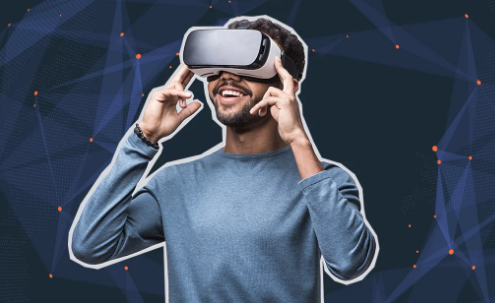
The future of EdTech is poised for significant evolution, driven by emerging technologies such as virtual reality and gamification. These innovations promise to reshape traditional learning paradigms, making education more engaging and tailored. Furthermore, the integration of data analytics will provide insights that enhance educational outcomes. As global connectivity increases, the potential for inclusive learning environments expands. This raises critical questions about accessibility and equity in education systems worldwide. What implications might this have for learners everywhere?
Emerging Technologies in Education
As educational institutions increasingly embrace digital transformation, emerging technologies in education are reshaping the learning landscape.
Virtual reality offers immersive experiences that engage learners beyond traditional boundaries, while gamified learning introduces competition and rewards, enhancing motivation.
These innovations not only foster creativity and collaboration but also empower students, encouraging them to explore knowledge freely and dynamically, ultimately redefining the educational experience.
Personalized Learning Experiences
A growing number of educational institutions recognize the transformative potential of personalized learning experiences in addressing the diverse needs of students.
By implementing adaptive assessments, educators can tailor instruction to individual learning styles and paces. This approach not only enhances learner engagement but also fosters autonomy, empowering students to take ownership of their education.
Ultimately, personalized learning paves the way for more meaningful educational journeys.
Read Also: Future of Digital Security
The Role of Data Analytics
While advancements in technology continue to reshape the educational landscape, the integration of data analytics stands out as a critical component in enhancing learning outcomes.
By facilitating data driven decisions, educational institutions can harness predictive analytics to tailor experiences, identify at-risk students, and refine curricula.
This strategic use of data empowers educators, fostering an environment where informed choices lead to improved student engagement and success.
Global Accessibility and Collaboration
In an increasingly interconnected world, the importance of global accessibility and collaboration in education cannot be overstated.
Remote learning platforms, designed with inclusive principles, enable meaningful cultural exchanges while bridging language barriers. Innovative collaborative tools empower diverse learners, fostering a sense of community.
Addressing the digital divide is crucial, ensuring equitable access and nurturing an environment where education transcends geographical limitations, enhancing global understanding.
Conclusion
In conclusion, the future of EdTech stands poised to revolutionize education as we know it, transforming classrooms into dynamic learning ecosystems. As personalized learning becomes ubiquitous and data analytics guides tailored educational strategies, the boundaries of traditional learning will dissolve like sandcastles at high tide. This evolution not only fosters engagement but also democratizes education, ensuring that every learner, regardless of background, can access the boundless opportunities of a connected world. The journey ahead is nothing short of extraordinary.